| 0:00 –3:35 | The Architect Behind Bryan Johnson | Who is the unknown woman behind the internet's most viral biohacker, and can her tactics work for ordinary creators? | Rise | Samir challenges whether Blueprint's extreme shock value translates to normal content, but Kate claims the underlying framework gets views even on benign topics like air pollution. | Opens: What are the 11 rules Kate used to reach millions of followers?Closes: Establishes Kate's credibility and role as Blueprint co-founder and CMO. |
| 3:36 –8:50 | The Nightclub Algorithm Model | How should a creator relate to the algorithm without burning out or feeling gatekept? | Hold | Creators treat algorithms like adversaries, therefore Kate redefines platforms as nightclubs where the algorithm is just a bouncer looking for good party vibes. | Opens: How does a creator actually execute on this party vibe in practice?Closes: Replaces algorithmic paranoia with the concept of viewer entertainment. |
| 8:51 –11:35 | Rule 1: Never Assume, Always Test | Which real sales copy actually converts: technical health stats or conversational simplicity? | Rise | Creators assume detailed data sells authority, but real A/B testing proves simple emotional phrasing wins every time. | Opens: What happens when a creative test completely flops?Closes: Resolves the Longevity Mix email split-test quiz. |
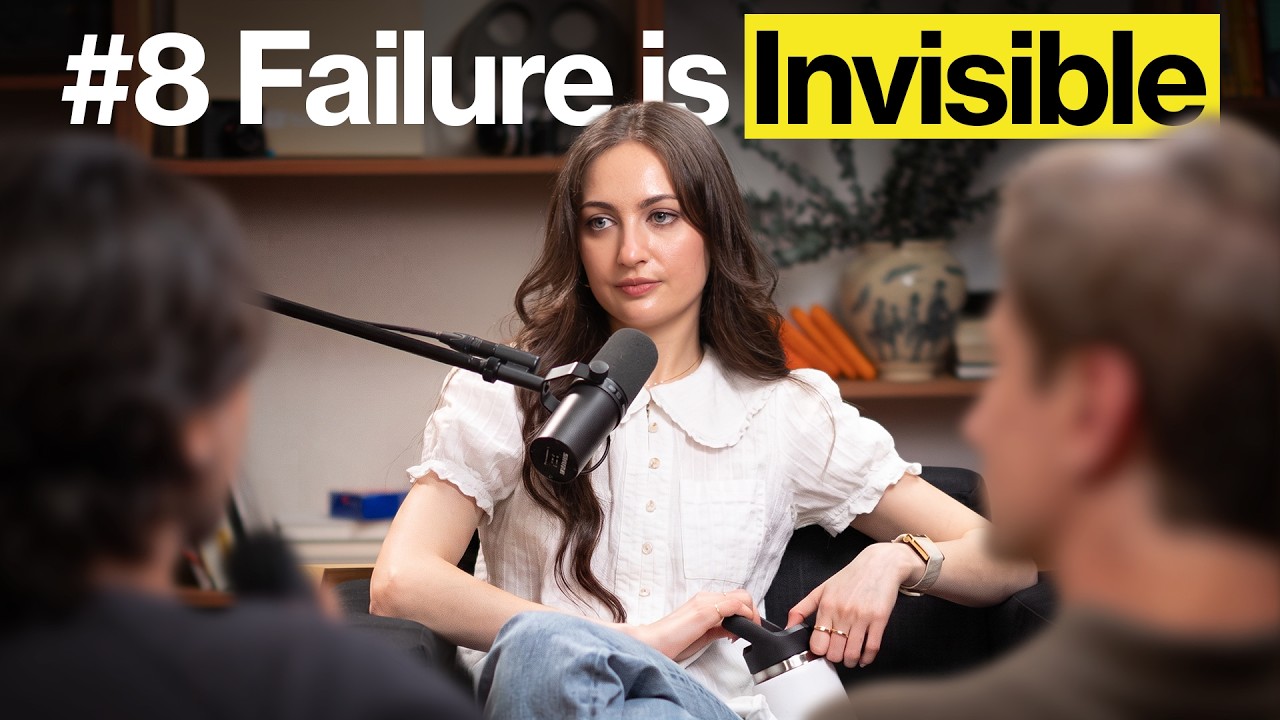
| 11:36 –14:09 | Rule 2: Failure is Invisible | Does an underperforming post destroy your channel's reputation? | Hold | Creators fear low view counts are public embarrassments, but algorithms simply hide failures from everyone except your closest audience. | Opens: How do you draft winning ideas from scratch before shooting?Closes: Answers the thumbnail promise (#8 Failure is Invisible, presented here as card #2). |
| 14:10 –24:30 | Rule 3: Start in Text First & Live Workshop | Can Kate's three-step writing method clarify a real event pitch in real time? | Rise | Visual creators want to jump straight to production, therefore Kate forces Colin and Samir to draft their live event purely in text using simplicity, value, and gossip. | Opens: What does each media platform charge its audience to pay attention?Closes: Produces a refined, punchy pitch for Colin and Samir's Press Publish event. |
| 24:31 –26:49 | Rule 4: Know Your Ticket Price | How do packaging requirements change when moving across YouTube, New York Times, and lock screen notifications? | Hold | Creators treat all distribution surfaces the same, but every medium charges a different cognitive ticket price to earn the open. | Opens: How do you keep provocative hooks from turning into toxic clickbait?Closes: Demonstrates entry-point formatting across notifications, headlines, and thumbnails. |
| 26:50 –30:22 | Rule 5: Ruthlessly Create Value | Does high fear-mongering copy damage long-term viewer trust? | Rise | Shocking statistics generate fear, therefore you must immediately soothe the tension with actionable protocols. | Opens: Do audiences punish you for repeating successful content?Closes: Shows the carousel resolution to a 90% skin-aging stat and translates medical jargon into plain brushing instructions. |
| 30:23 –34:27 | Rules 6 & 7: Repetition & Iteration | Do creators actually need to invent brand new concepts every single week? | Hold | Creators assume novelty is mandatory, but identical posts published a year apart can gain more views the second time. | Opens: How do you make scientific studies relatable on social feeds?Closes: Shows two identical sleep tweets earning 220k and 348k views. |
| 34:28 –35:56 | Rule 8: Speak Simply | How can complex medical research compete with casual social feeds? | Rise | Academic papers use dense clinical terminology, therefore Bryan rewrote the finding into a 3-line cat versus dog exercise breakdown. | Opens: How does packaging look when placed against actual competitor products?Closes: Demonstrates translating a dementia study into viral social copy. |
| 35:57 –39:06 | Rule 9: See It in Context | Why do assets that look great in design mockups fail in real feeds? | Hold | Assets reviewed in isolation hide layout flaws, therefore you must preview fonts, cutdowns, and packaging inside their native interfaces. | Opens: Why do long post-production timelines kill creative momentum?Closes: Compares packaging and text wrapping across mobile apps and physical shelves. |
| 39:07 –42:27 | Rule 10: Publish Immediately | Does heavy post-production polish help or hurt audience connection? | Hold | Creators rely on rigid content calendars, but delayed publishing robs you of immediate feedback loops and drains creative energy. | Opens: How do you handle internet trolls and negative viral outrage?Closes: Debates the cost of post-production turnaround versus rapid publishing. |
| 42:28 –46:09 | Rule 11: The 'Yes, And' Mindset | How do you stop online hate from derailing your personal brand? | Rise | The instinct is to defend against criticism, but agreeing with trolls and adding humor absorbs their energy and converts them into fans. | Opens: Was Bryan and Kate's viral relationship announcement staged as a PR campaign?Closes: Reveals Bryan Johnson's viral comedic replies to urine dye critiques and Liver King memes. |
| 46:10 –50:30 | Going Public & Destigmatizing Taboos | What is the psychological toll of broadcasting your private relationship and intimate biology to millions? | Fall | Sag: no turn | Opens: None.Closes: Explains the background behind Bryan's viral girlfriend announcement video and Kate's philosophy on public candor. |