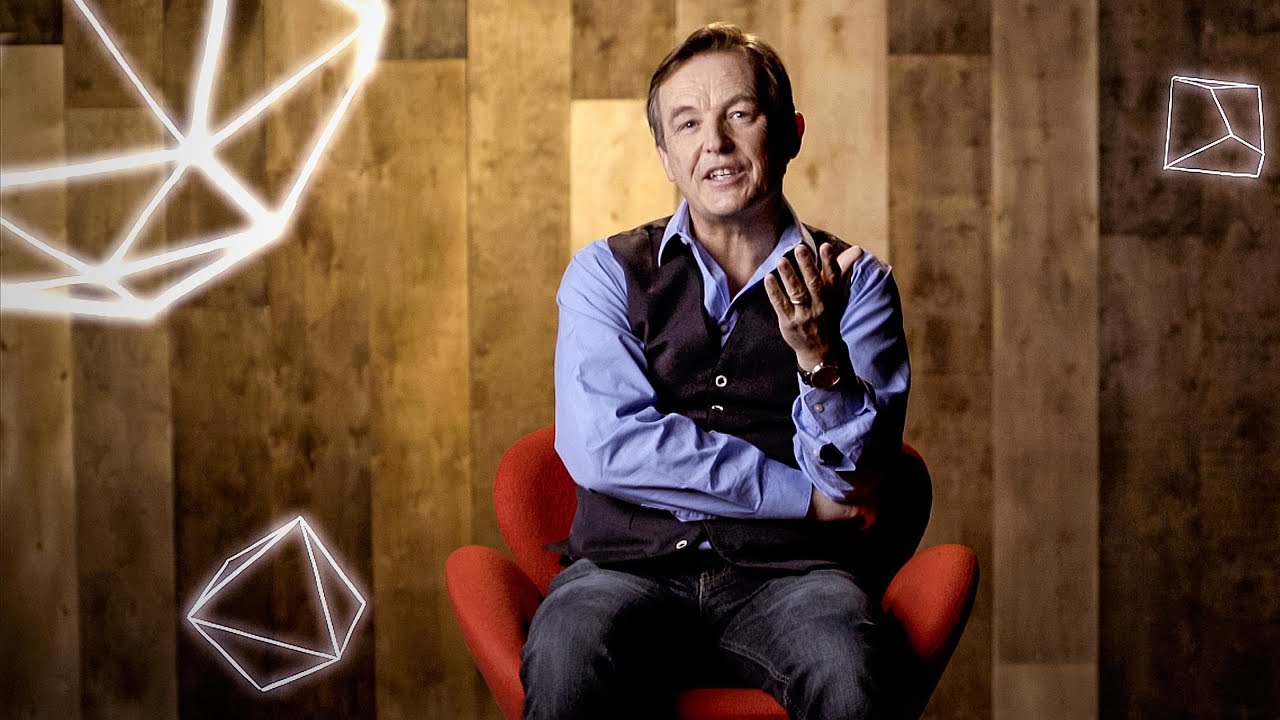
Many people assume there is a rigid TED talk formula—stepping onto a round red rug, telling a childhood anecdote, confessing a secret, and closing with an inspirational call to action. In debunking the TED formula0:18, TED curator Chris Anderson warns that overusing these tricks feels clichéd and manipulative. Drawing on over a decade of coaching speakers0:40, Anderson reveals the singular common ingredient uniting every compelling talk: a speaker's primary responsibility is to plant an idea into the minds of the audience.
Anderson illustrates this phenomenon by examining Haley Van Dyke's TED presentation1:31. Across an 18-minute presentation, an audience of 1,200 people begins to synchronize their brainwaves with the speaker through neural synchronization in real time1:40. When a speaker speaks and displays facial expressions, complex neural firing patterns in their brain are effectively reconstructed inside the minds of the listeners. Anderson clarifies what an idea actually is2:27: a pattern of information that allows people to navigate and interpret the world. Exemplified through clips of Sir Ken Robinson on creativity2:45, Elora Hardy on bamboo2:57, and Chimamanda Ngozi Adichie on single stories3:06, ideas can be analytical, creative, or transformative.
Collectively, millions of individual ideas assemble into a person's worldview operating system3:30, guiding behavioral reactions ranging from adoring kittens to fearing leopards3:45. Because different backgrounds yield radically divergent reactions—as demonstrated in Dalia Mogahed's talk on Muslim identity4:18—ideas serve as the most potent force shaping human culture. Anderson provides four practical rules for constructing an idea in listeners' minds.
First, a speaker must focus on one major idea5:06, pruning extraneous content to create a cohesive throughline. Second, speakers must give people a reason to care5:34 by sparking curiosity with provocative questions that highlight knowledge gaps. Third, presenters must build the idea using familiar concepts6:12 and accessible metaphors, such as comparing CRISPR to a word processor6:51. Finally, speakers must ensure the idea is worth sharing7:16 by ensuring it offers genuine value to others rather than merely serving the speaker's ego or brand.